1. Home
  2. Specialties & Services
  3. Stroke
  1. Specialties & ServicesSpecialties & Services
Skip to Main Content
  • MyChart
  • Pay a Bill
  • Help
St. Luke's Logo to Homepage
video hero StLukes style

Stroke

Treat stroke as quickly as possible to have the best chance for survival and recovery.

Expert Care, Every Step of the Way

Our mission is to help you prevent stroke and recognize stroke in yourself and others when it occurs. In the event of a stroke, the specially trained physicians and nurses at St. Luke’s work closely with emergency medical personnel to provide the most advanced medical treatment available. We offer thrombolytic therapy, a clot-busting medication used to treat some ischemic strokes, as well as around-the-clock access to advanced diagnostic and neurointervention services. And, to support recovery, we offer complete stroke rehabilitation services including physiatry care and physical, speech, and occupational therapy.

Palliative medicine experts are also available to support care planning and help optimize quality of life for you and your family. We'll help you navigate the various aspects of recovery, identify priorities, and collaborate with the rest of the care team to drive toward what matters most to you.

Remember: "BE FAST" in Case of Stroke - Call 911!

  • young woman checking an older woman's balance

    B = Balance

    Is the person experiencing a sudden loss of balance? Do they lean to one side or stagger when walking?
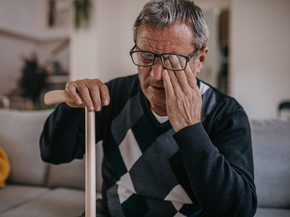
  • E = Eyes

    Has the person lost vision in one or both eyes? Do they have double vision that doesn't go away with blinking their eyes?

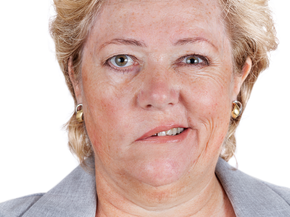
  • woman experiencing face paralysis

    F = Face

    Ask the person to smile. Does one side of the face droop?

  • man with outstretched arms

    A = Arms

    Ask the person to raise both arms. Does one arm drift downward?
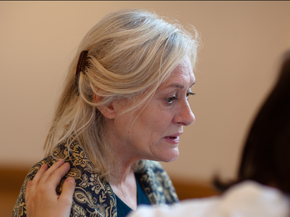
  • older woman quiet and confused

    S = Speech

    Ask the person to repeat a simple sentence. Does their speech sound slurred or strange?

  • close up of a clock

    T = Time

    Stroke can be very treatable if care is immediate. For each minute a stroke goes untreated, about 1.9 million neurons are lost—seriously affecting speech, memory, movement, and more.

  • woman making a phone call

    "BE FAST"

    If you observe any of these signs in yourself or others, call 911!

    Do NOT drive yourself to the hospital.

Stroke Prevention Starts with Awareness

  • Women working out in a gym

     Stroke Risk Factors and Prevention

    Everyone should do what they can to reduce stroke risk, especially those with risk factors beyond their control. It’s important that you learn about the lifestyle and medical changes you can make to help prevent a stroke. 
    Learn more
  •  Stroke Signs and Symptoms

    Immediate medical care is crucial to surviving and recovering from stroke. Knowing the signs and symptoms is the first step to making sure you get help right away.

    Learn more
neurosurgeon preparing for surgery

Stroke Care Team

Experience and Expertise

Stroke care at St. Luke’s is led by the region’s top experts, offering comprehensive support from prevention and emergency treatment to surgery and recovery. As home to Idaho’s largest stroke program—with nine emergency departments and an integrated care system—our specially trained physicians, nurses, and therapists work together to ensure the best possible outcomes for you and your family.

Learn more
Review our stroke outcomes data

National and State Accreditation

  • Joint Commission Logo

    Joint Commission

    The Joint Commission has recognized St. Luke's Boise, Meridian and Magic Valley as Advanced Primary Stroke Centers of Excellence.

  • Logo for Idaho Time Sensitive Emergencies Trauma Stroke and STEMI designation

    Idaho Time Sensitive Emergencies

    The Idaho Time Sensitive Emergency Program has designated St. Luke's Boise, as a Level I Stroke Center, and St. Luke's Meridian and Magic Valley as Level II Stroke Centers.

What to Expect After a Stroke

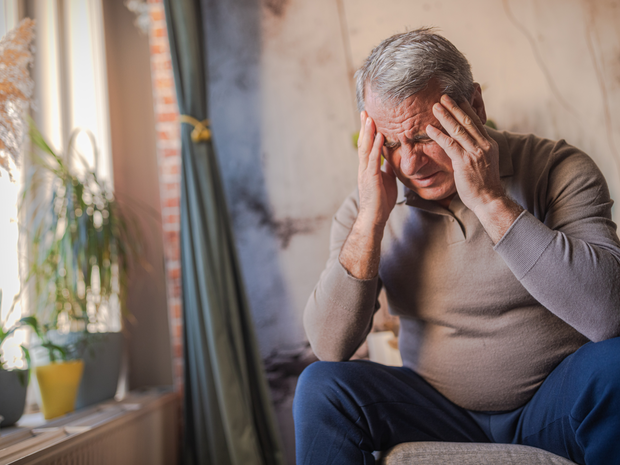
After a stroke, you may experience rapid mood changes. You may cry or laugh in situations that may not seem appropriate or match your current mood. You may also experience frustration, anxiety, anger, or sadness without explanation.

Clinical depression is a treatable illness that affects many stroke survivors. Symptoms include significant lack of energy and/or motivation, difficulty concentrating, problems sleeping, and difficulty finding enjoyment in anything. Talking about the effects of stroke can validate your feelings and help you cope with your emotions.

Ask your provider about support groups, whether you're a stroke survivor or someone who loves and cares for a stroke survivor. Talk to your doctor about an evaluation for clinical depression if symptoms continue.

Related Conditions

  • Transient Ischemic Attack

    Learn more
  • Brain Aneurysm

    Learn more
  • Brain Hemorrhage

    Learn more

Articles & Resources

  • St. Luke’s surgery, teams’ care help college freshman look to future after rare stroke

    Patient Stories St. Luke’s surgery, teams’ care help college freshman look to future after rare stroke

    Murtaugh teen, Yandell Gil, survives a rare stroke with the help of St. Luke's Magic Valley and surgery by Dr. Eric Smith.

    Learn more
  • Twin Falls Chamber of Commerce gets up close stroke training from St. Luke's team

    Community Health & Engagement Twin Falls Chamber of Commerce gets up close stroke training from St. Luke's team

    Recognizing the signs of a stroke is an important lesson for any audience, but a Twin Falls Chamber of Commerce leadership group was recently treated to an eye-opening demonstration of life-saving skills at St. Luke’s Magic Valley.

    Learn more
Air St. Luke's plane

Air St. Luke's Membership

Coverage When Every Second Counts

Emergency medical transport can be expensive. Air St. Luke’s membership helps cover the portion of the bill that insurance doesn’t.

Membership starts at $65 per year and is available to anyone in our service area. It applies to medically necessary air transport by Air St. Luke’s.

Coverage for Air St. Luke’s members goes beyond our local region through our partners in the Association of Air Medical Membership Programs (AAMMP).

Apply for membership

Support the Patients and Families at St. Luke's Neurosciences

Two older men fishing on a lake

You Can Make a Difference

You can make a real difference in the lives of patients and families facing medical challenges. We hope you’ll help us provide the exceptional healthcare and support they deserve. We encourage you to get involved by making a financial gift, sponsoring or attending events, or volunteering your time.

Donate now

Other Ways To Give

Explore Giving at St. Luke'sDonation Wish List for Adult Patients
St. Luke's Homepage

About St. Luke’s

Who We Are
News
Careers

Team Resources

For Providers
For Employees
For Contractors

Patient Resources

Financial Assistance
Mental Health Support
Medical Records
Patient Rights & Responsibilities

Essential Information

Accessibility
Price Transparency
En Español

Quick Links

Contact Us
St. Luke’s FitOne
St. Luke’s Health Partners
St. Luke’s Health Plan

DisclaimerNon-Discrimination/EEOPrivacy PracticesTerms of Use
© 2025 St. Luke’s Health System. All rights reserved.
FacebookLinkedinYoutubeInstagram